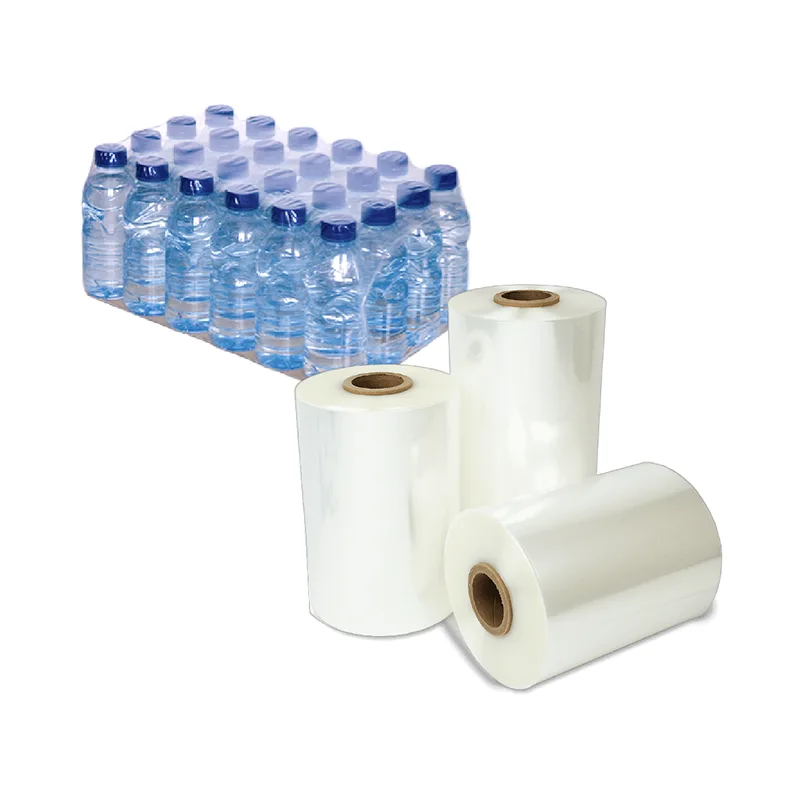
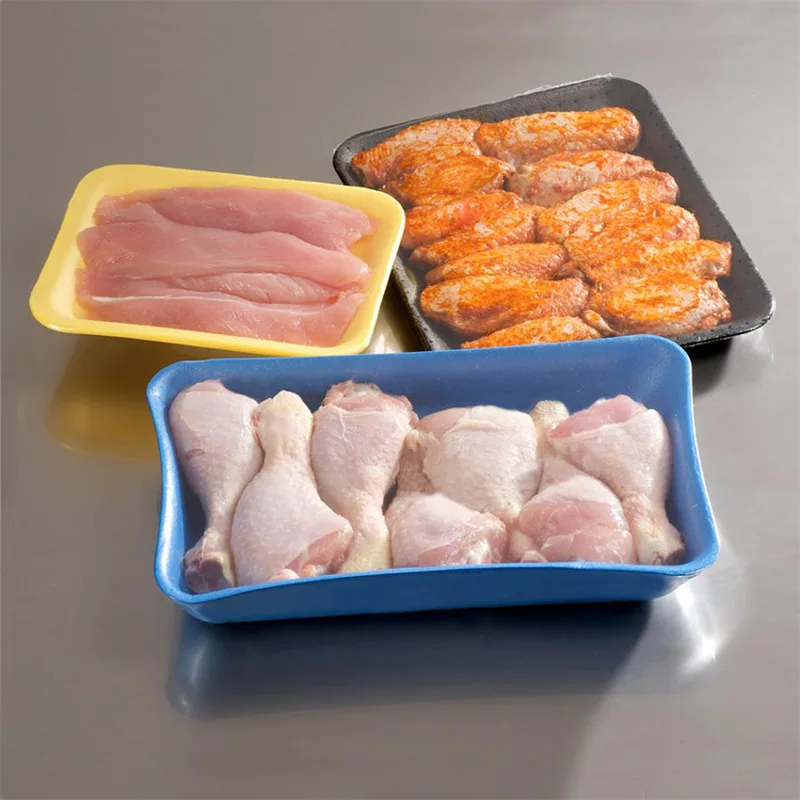
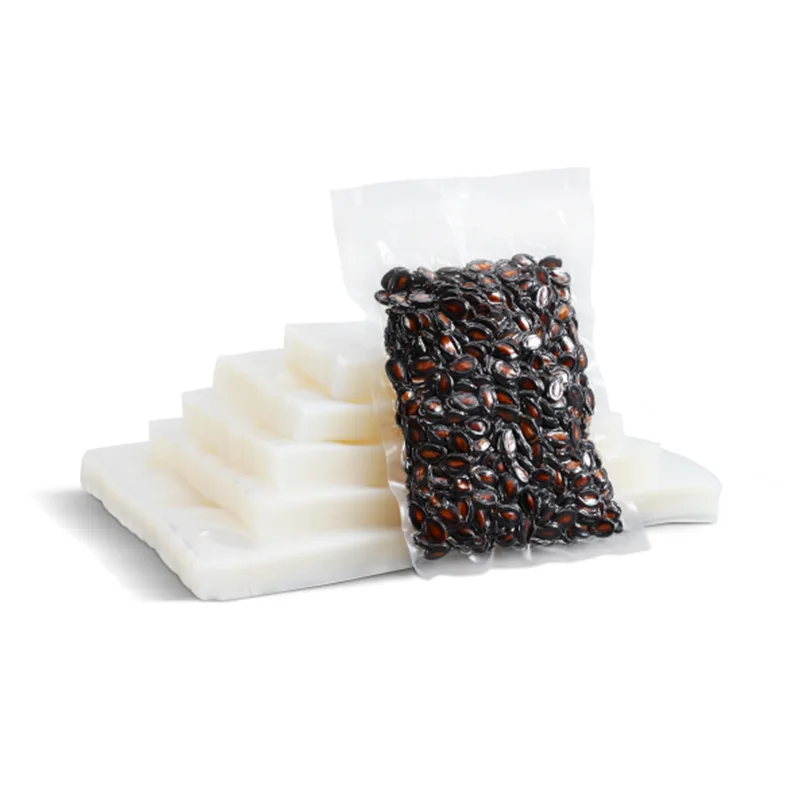
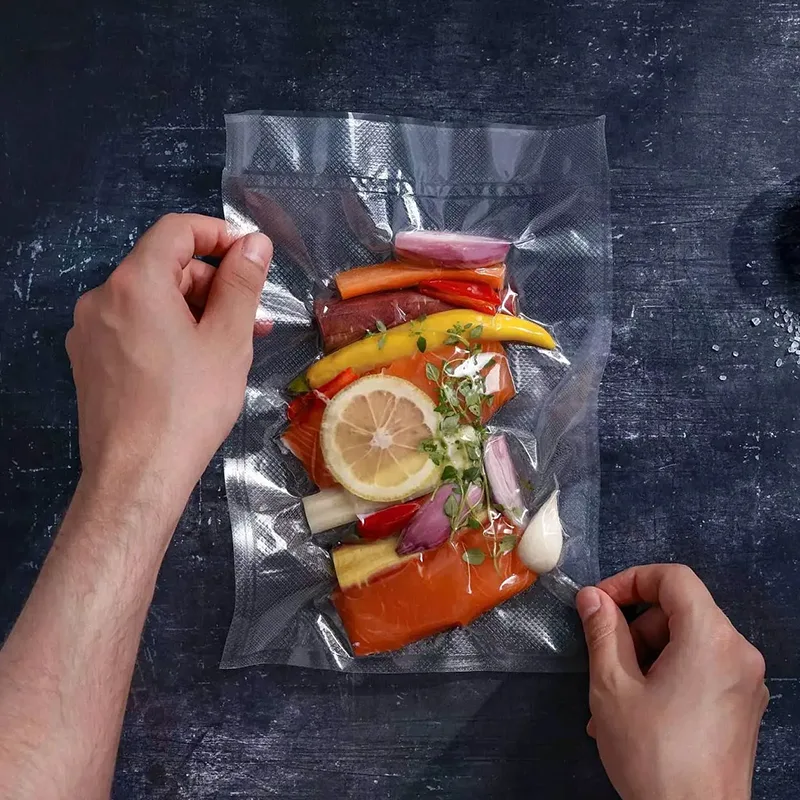
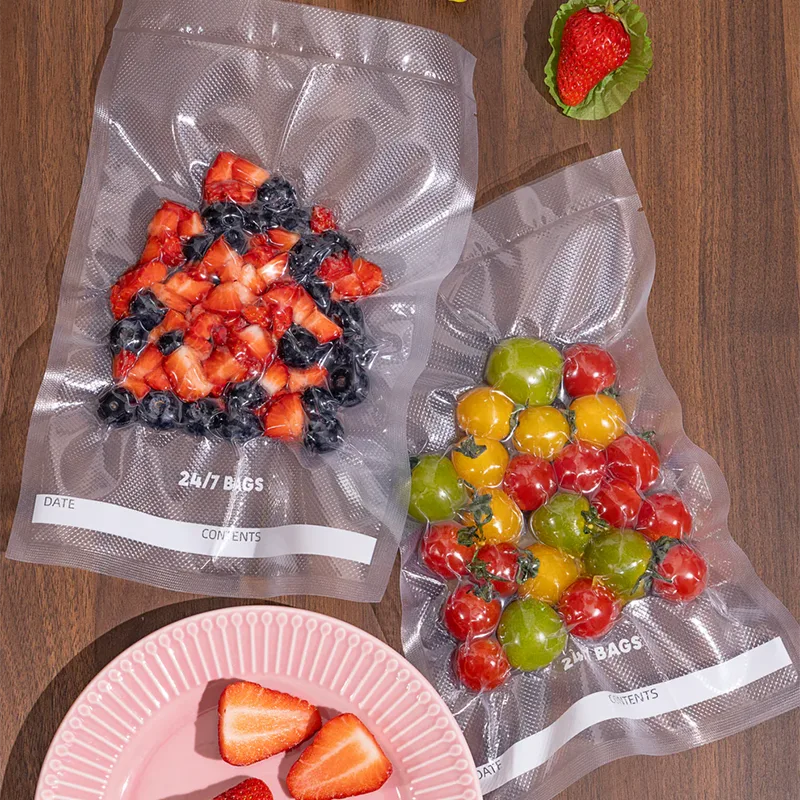
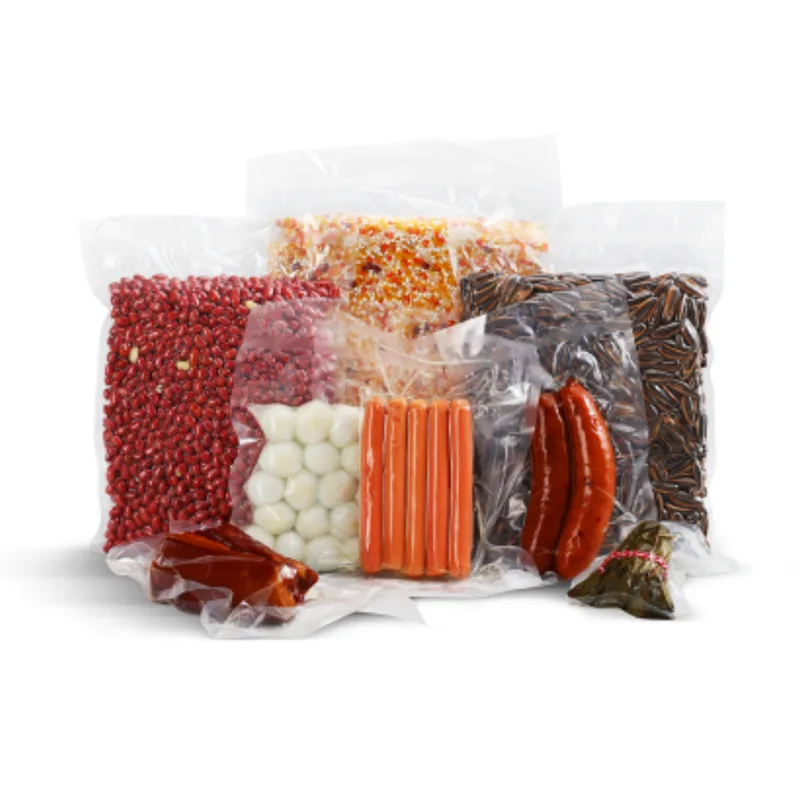
The molecular chain structure of EVOH contains hydroxyl groups (-OH), which are tightly packed together through hydrogen bonds, resulting in extremely strong barrier properties against gases such as oxygen and carbon dioxide. Its oxygen barrier rate is 10,000 times higher than that of polypropylene (PP) and polyethylene (PE), 100 times higher than that of polyamide (PA), and even more than 10 times better than that of PVDC (polyvinylidene chloride). The barrier properties can be adjusted by the ethylene content; higher ethylene content reduces barrier properties but improves processability.
2. Chemical Resistance and Stability
EVOH is resistant to oils and organic solvents (such as cyclohexane and xylene). After immersion in solvents at 68°F for one year, the weight gain rate is less than 0.1% (salad oil) to 12.2% (methanol). It also possesses high and low temperature resistance, making it suitable for high-temperature cooking and low-temperature freezing applications.
3. Mechanical and Processing Properties
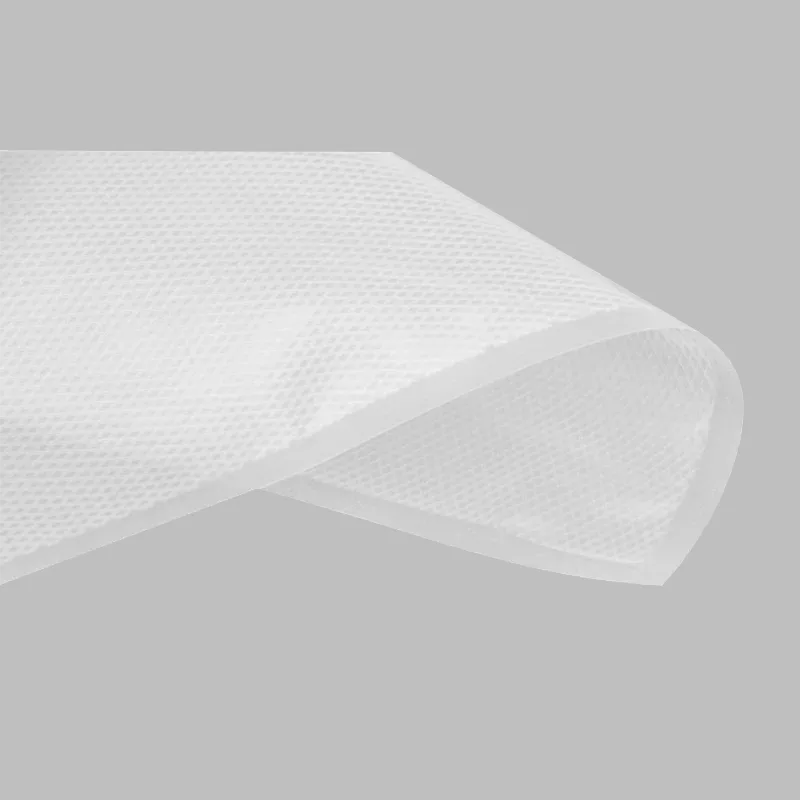
EVOH possesses high strength, high elastic modulus, and good heat-sealing properties. It can be laminated with polyolefins through multi-layer co-extrusion and biaxial stretching processes to optimize transparency and thickness. Biaxially stretched EVOH films can also be used for aseptic packaging.
4. Environmental and Cost Advantages
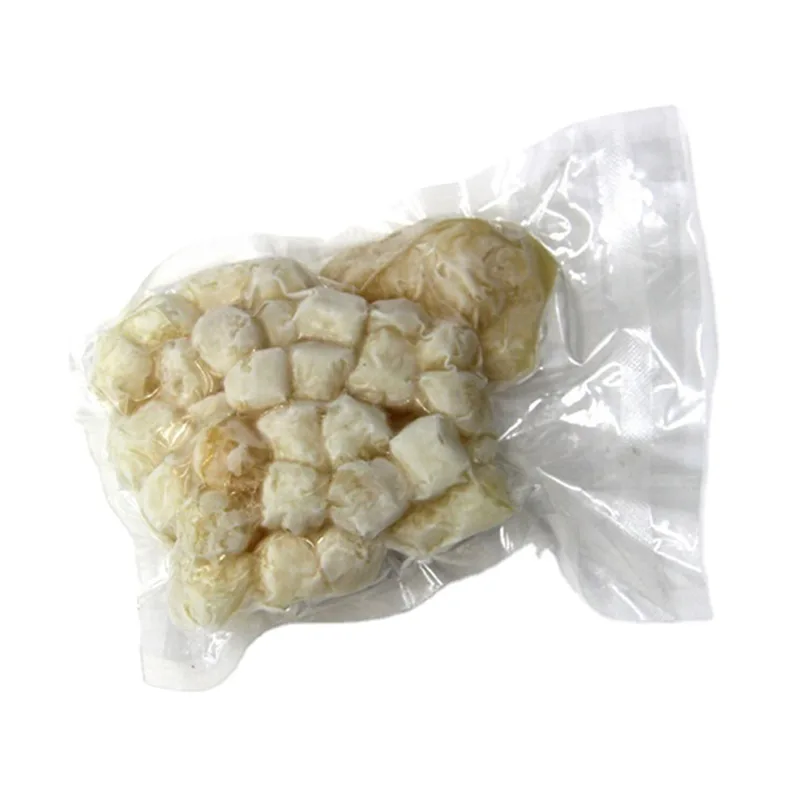
Compared to aluminum foil or glass packaging, EVOH co-extruded films are less expensive (reducing costs by 20%-30%), require no adhesives, and leave no solvent residue, aligning with green packaging trends. Its vacuum shrink packaging volume ratio is also superior to traditional materials.
We use cookies to offer you a better browsing experience, analyze site traffic and personalize content. By using this site, you agree to our use of cookies. Privacy Policy