What Is Thermoforming Film and Why Is It Essential for Modern Packaging
Thermoforming film has become a cornerstone material in modern packaging, especially in food, medical, and consumer goods industries. This in-depth article explains what thermoforming film is, how it works, and why it plays such a critical role in efficiency, safety, and branding. Drawing on real packaging applications and industry insights, this guide explores material types, performance characteristics, selection criteria, sustainability considerations, and future trends.
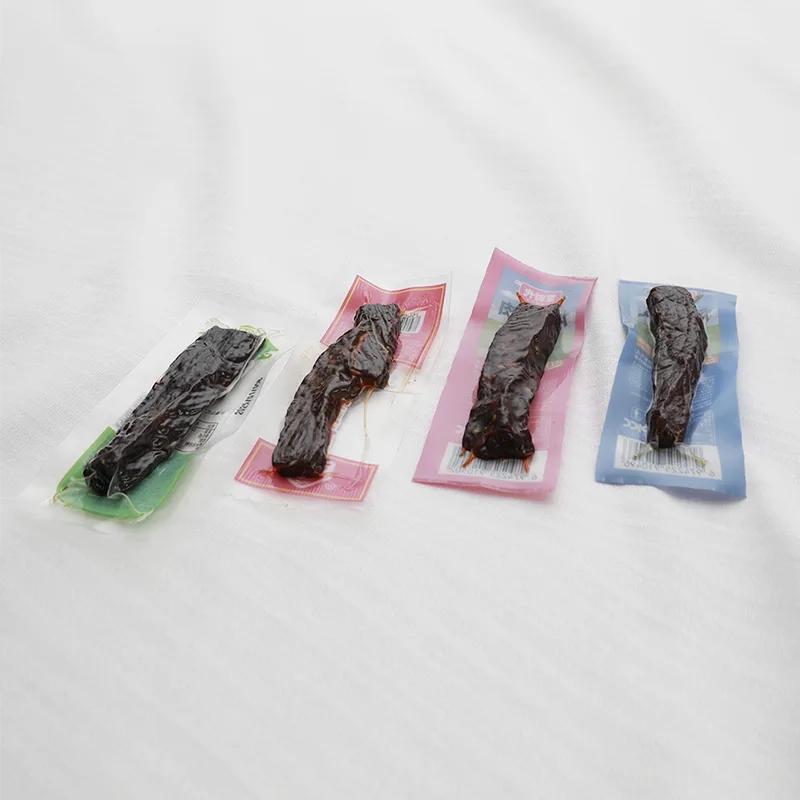
Table of Contents
- What Is Thermoforming Film?
- How Does Thermoforming Film Work?
- Why Is Thermoforming Film Essential for Modern Packaging?
- Common Types of Thermoforming Film Materials
- Key Performance Features of Thermoforming Film
- Major Applications Across Industries
- How to Choose the Right Thermoforming Film
- Thermoforming Film vs. Other Packaging Films
- Sustainability and Eco-Friendly Thermoforming Film
- Future Trends in Thermoforming Film Technology
- Frequently Asked Questions (FAQ)
What Is Thermoforming Film?
Thermoforming film is a flexible plastic film specifically engineered to be heated and shaped into rigid or semi-rigid packaging structures using a thermoforming process. Once heated to a precise temperature, the film becomes pliable and is molded into cavities or trays that securely hold products.
Unlike standard flat packaging films, thermoforming film is designed to maintain dimensional stability, clarity, and strength after forming. This makes it ideal for applications where product visibility, hygiene, and structural integrity are critical.
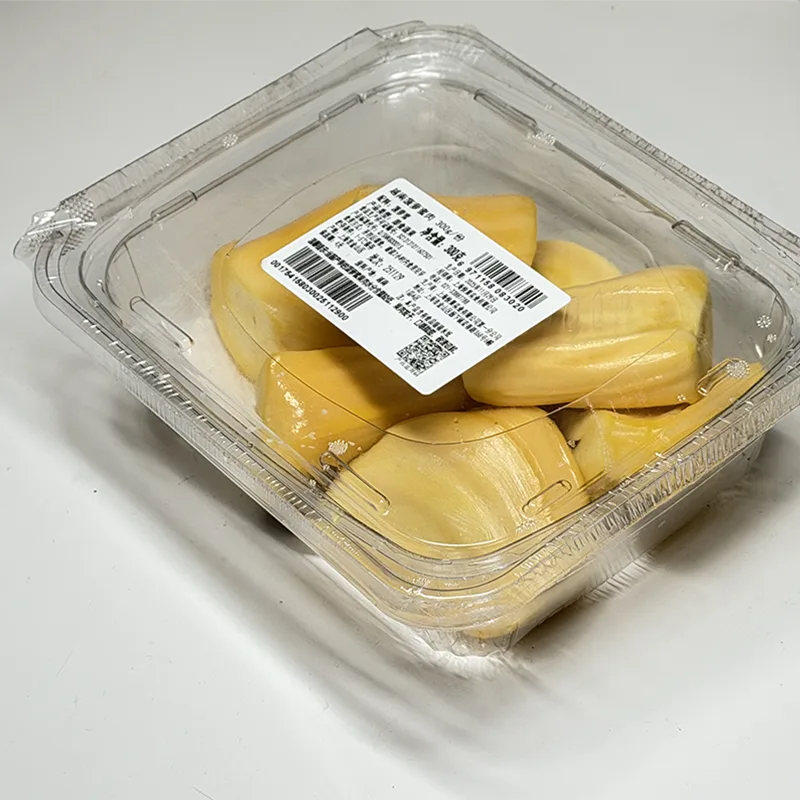
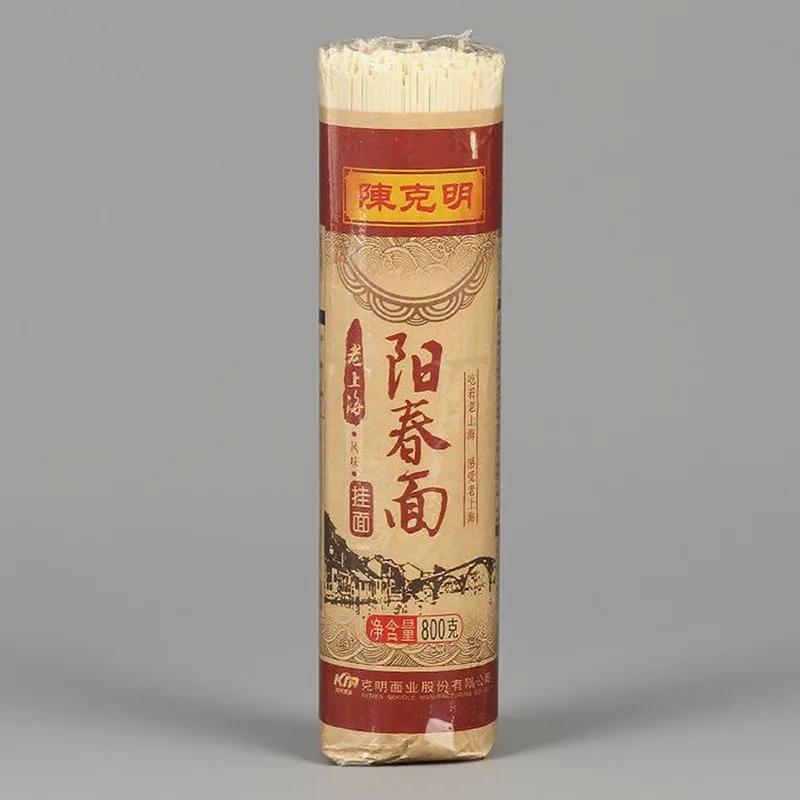
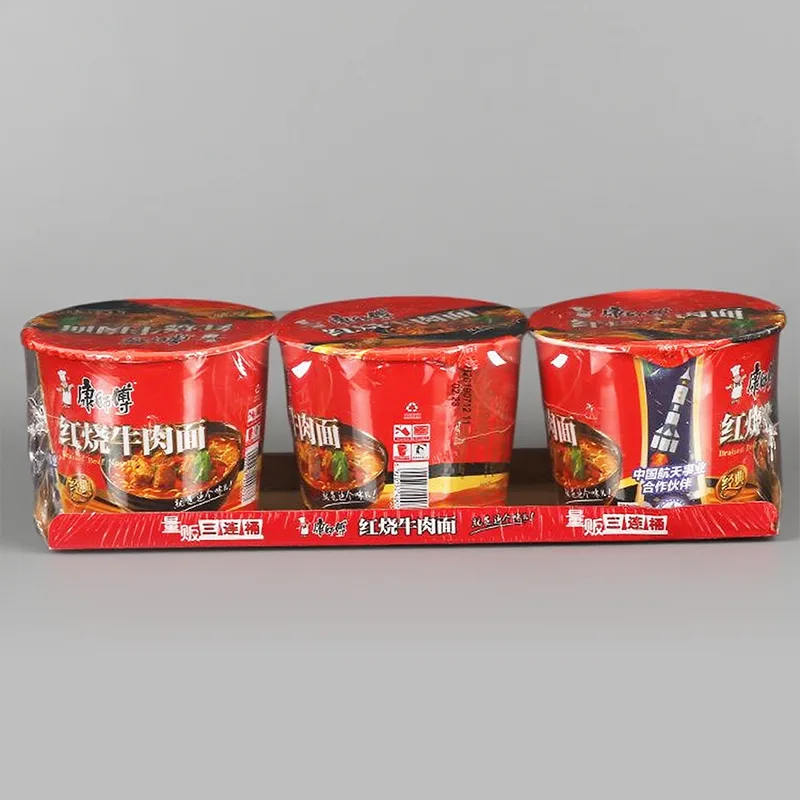
In practical terms, thermoforming film is widely used to create packaging such as food trays, blister packs, medical device packaging, and customized containers that match product contours.
How Does Thermoforming Film Work?
The thermoforming process involves several carefully controlled steps that transform a flat film into a functional package:
- Heating: The thermoforming film is heated until it reaches its softening point.
- Forming: Vacuum or pressure forces the film into a mold cavity.
- Cooling: The shaped film cools and hardens, retaining its molded form.
- Trimming: Excess material is trimmed away for a clean final package.
This process allows manufacturers to achieve precise shapes, consistent thickness, and high production efficiency, all while minimizing material waste.
Why Is Thermoforming Film Essential for Modern Packaging?
Modern packaging demands efficiency, safety, and visual appeal. Thermoforming film addresses all three by offering:
- Excellent product protection during transport and storage
- Clear visibility for enhanced shelf presentation
- Compatibility with high-speed automated packaging lines
- Customizable shapes for branding and functionality
As consumer expectations and regulatory requirements continue to rise, thermoforming film has become an indispensable material for brands seeking reliable and scalable packaging solutions.
Common Types of Thermoforming Film Materials
| Material | Key Properties | Typical Applications |
|---|---|---|
| PET / APET | High clarity, strong, recyclable | Food trays, retail packaging |
| PP | Heat resistant, lightweight | Microwavable food packaging |
| PS | Cost-effective, good rigidity | Dairy and disposable food trays |
| PA/PE | High barrier, puncture resistant | Meat, cheese, and medical packaging |
Key Performance Features of Thermoforming Film
High-quality thermoforming film is defined by a combination of technical performance characteristics:
- Formability: Consistent shaping without tearing or thinning
- Barrier Properties: Protection against oxygen, moisture, and contaminants
- Optical Clarity: Enhanced product visibility
- Seal Integrity: Reliable sealing with top films
- Mechanical Strength: Resistance to punctures and deformation
Major Applications Across Industries
Thermoforming film is used across a wide range of industries due to its versatility:
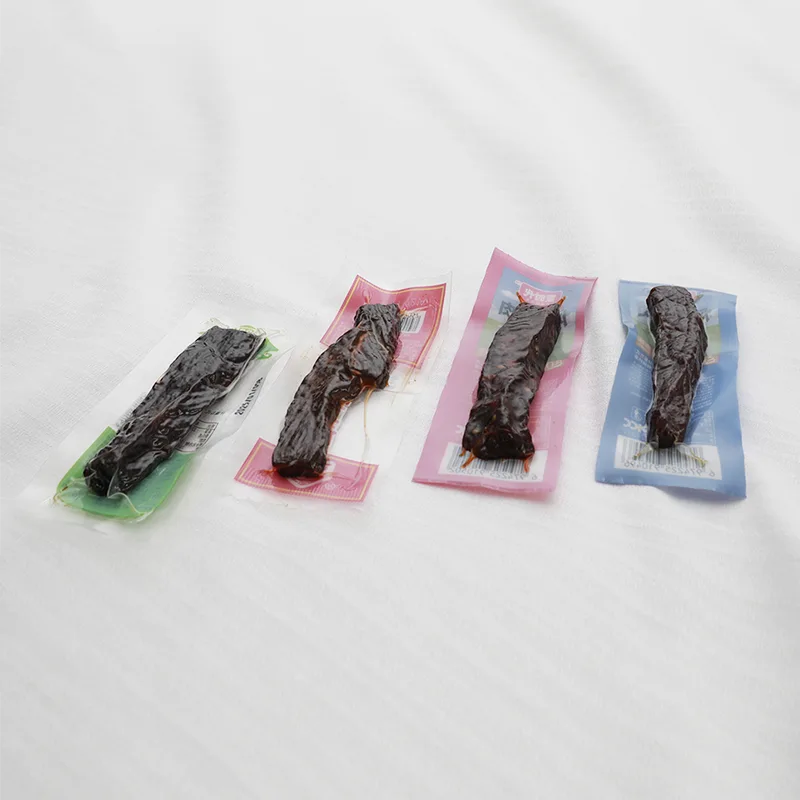
- Food Packaging: Fresh meat, seafood, ready meals, and dairy products
- Medical Packaging: Sterile trays for devices and instruments
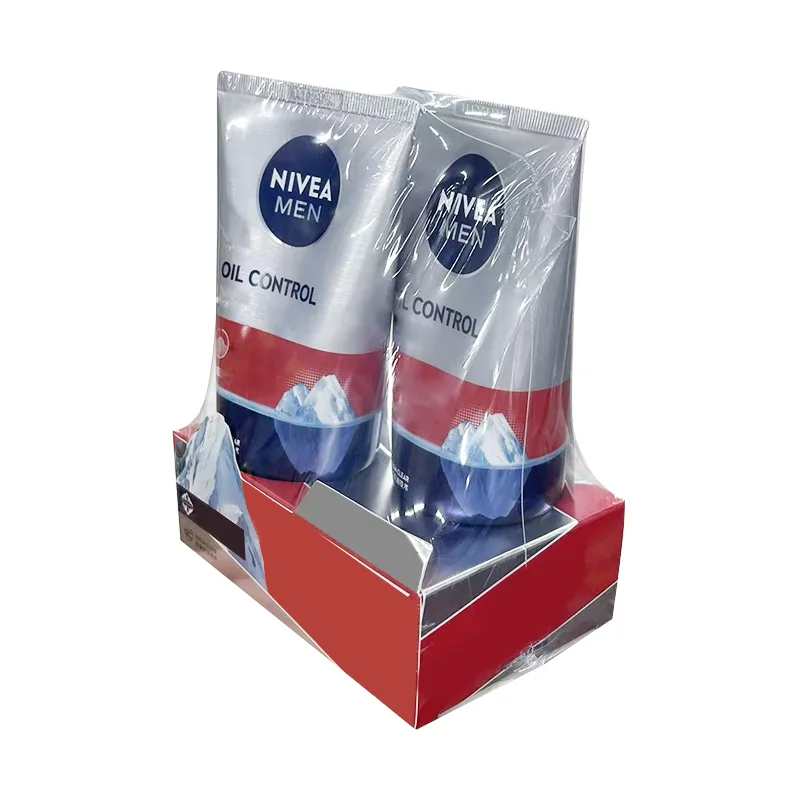
- Consumer Goods: Electronics, cosmetics, and hardware items
- Industrial Packaging: Component protection during transport
Companies like Gojun thermoforming film solutions are specifically engineered to meet these diverse application requirements.
How to Choose the Right Thermoforming Film
Selecting the right thermoforming film requires evaluating several critical factors:
- Product shape, weight, and sensitivity
- Required shelf life and barrier performance
- Compatibility with existing thermoforming equipment
- Regulatory compliance for food or medical use
- Sustainability and recyclability goals
Working with experienced manufacturers such as Gojun can simplify this process and ensure optimal performance from production to end use.
Thermoforming Film vs. Other Packaging Films
Compared with flat flexible films or injection-molded packaging, thermoforming film offers a balanced solution:
- Lower tooling costs than injection molding
- More structural support than standard flexible films
- Greater design flexibility for custom packaging
Sustainability and Eco-Friendly Thermoforming Film
Sustainability is now a core consideration in packaging decisions. Modern thermoforming film solutions increasingly incorporate:
- Recyclable mono-material structures
- Reduced material thickness without sacrificing strength
- Compatibility with existing recycling streams
These innovations allow brands to meet environmental goals while maintaining packaging performance.
Future Trends in Thermoforming Film Technology
The future of thermoforming film is shaped by advancements in material science and automation. Key trends include:
- High-barrier films with reduced material usage
- Bio-based and compostable thermoforming films
- Improved digital printing for branding and traceability
Frequently Asked Questions (FAQ)
Is thermoforming film safe for food packaging?
Yes, food-grade thermoforming film complies with international safety standards and is widely used for direct food contact.
Can thermoforming film be recycled?
Many thermoforming films are recyclable, especially mono-material PET and PP structures, depending on local recycling systems.
How does thermoforming film extend shelf life?
By providing strong oxygen and moisture barriers, thermoforming film helps maintain freshness and reduce spoilage.
Is thermoforming film suitable for high-speed production?
Absolutely. Thermoforming film is designed for automated, high-output packaging lines.
In an increasingly competitive packaging landscape, choosing the right thermoforming film can directly impact product safety, brand perception, and operational efficiency. With advanced materials, technical expertise, and application-driven solutions, Gojun continues to support global brands with reliable thermoforming film options. If you are looking to upgrade your packaging performance or explore custom solutions, don’t hesitate to contact us today to discuss your specific needs.
Related News
- POF Shrink Film for Plastic Boxes: How to Choose the Right Film for Protection, Appearance and Packaging Efficiency
- What Is a Fruit Low Temperature Vacuum Bag and How Does It Extend Freshness
- How Does POF Shrink Film Cross-Linked Ensure High Heat Resistance and Durability
- Why Are Cooking Vacuum Bags Critical for Sous Vide Cooking
- What Makes POF Shrink Film Regular the Ideal Choice for Packaging
- What are the applications of POF heat shrink film?
Leave me a message