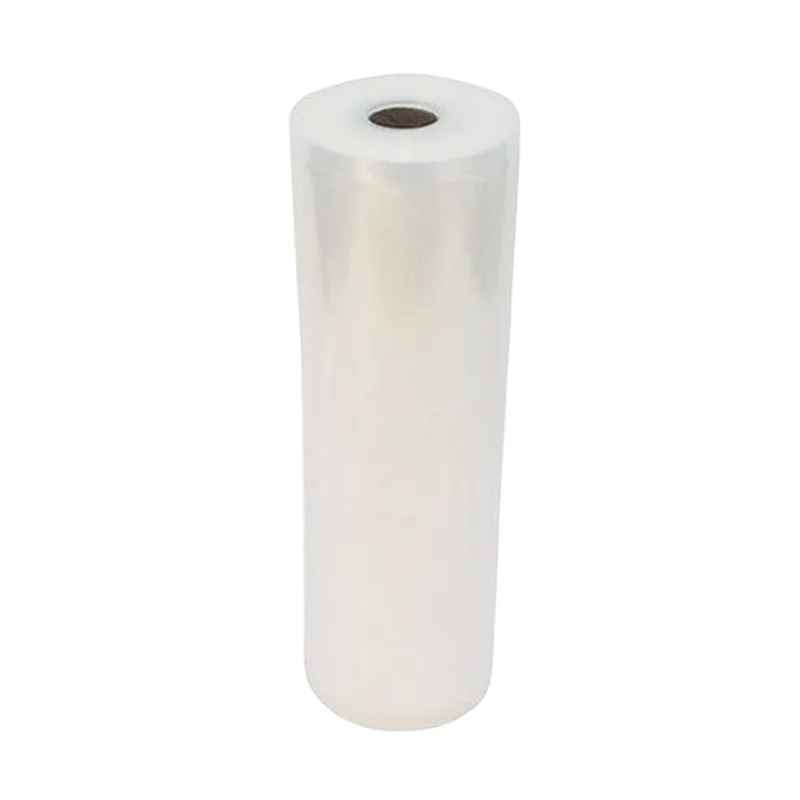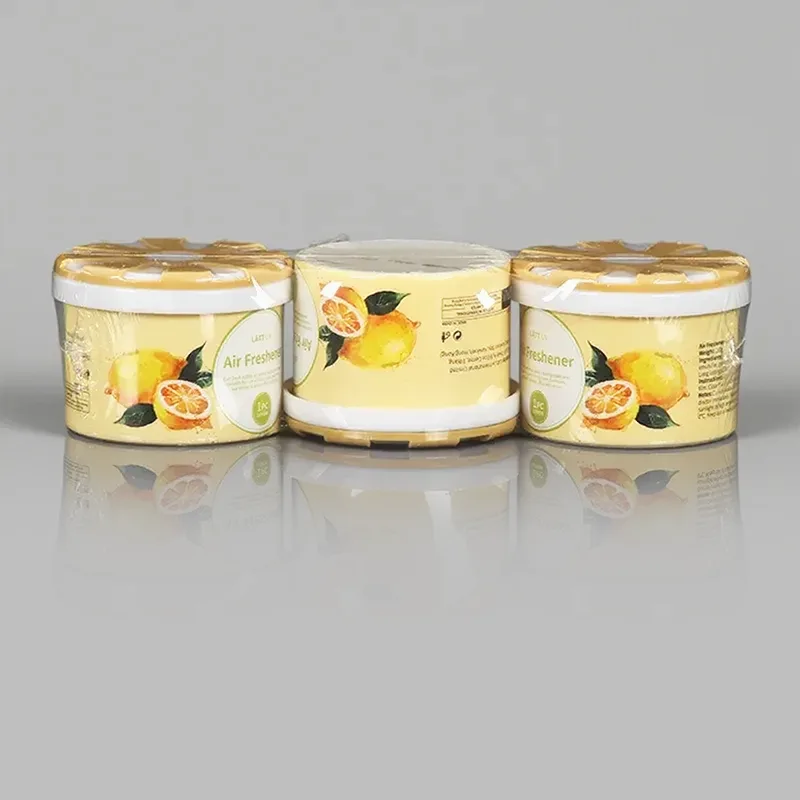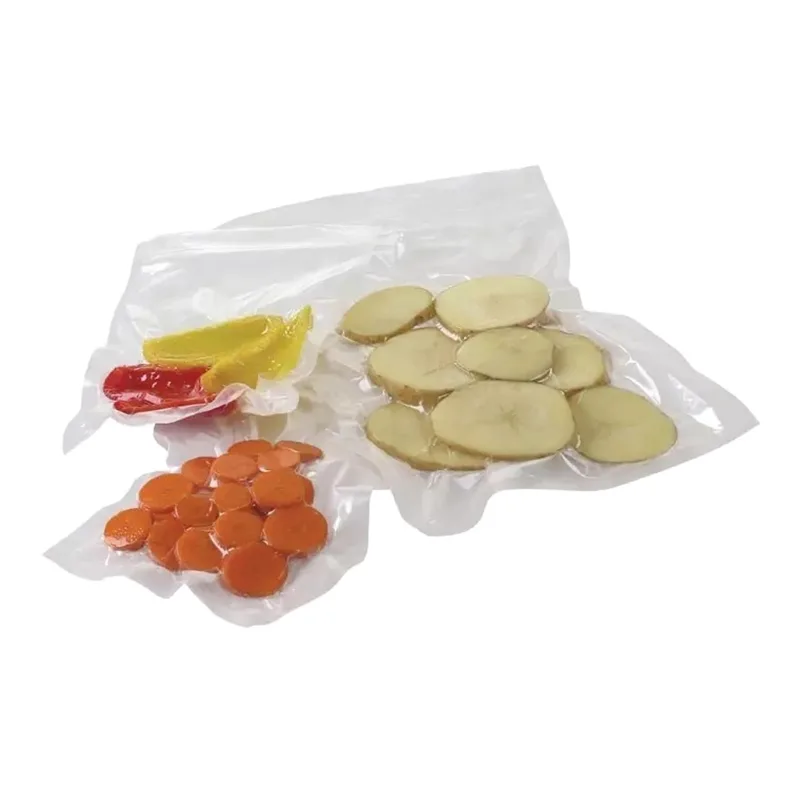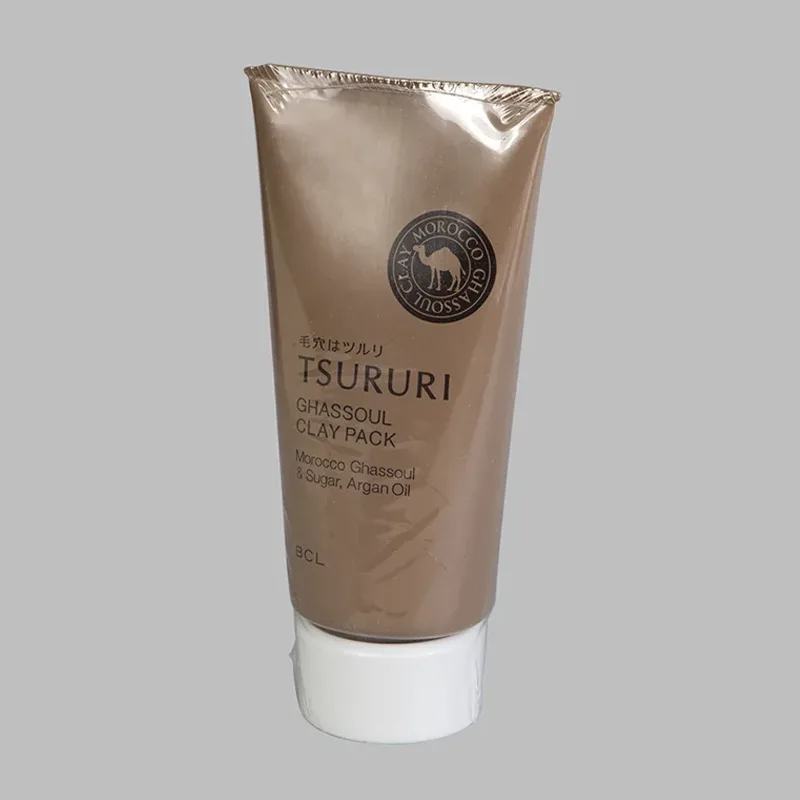
POF Shrink Film for Plastic Boxes: How to Choose the Right Film for Protection, Appearance and Packaging Efficiency
Plastic boxes are widely used for snacks, small household products, cosmetics, accessories, gifts and other consumer goods. However, once a box leaves the production line, its surface can be exposed to dust, moisture, scratches and friction during storage and transportation.
For many manufacturers, the challenge is not simply finding a film that can wrap a plastic box. The film also needs to shrink evenly, follow the shape of the box, maintain a clean appearance and allow the package to be opened without leaving adhesive residue.
This is where POF shrink film for plastic boxes becomes a practical packaging option.
Compared with ordinary plastic wrapping materials, POF shrink film is designed to shrink when heated and form a close-fitting protective layer around the package. For plastic boxes with transparent surfaces, printed patterns, corners or textured structures, the performance of the film becomes particularly important.
Why Plastic Boxes Need Shrink Film Protection
Plastic boxes may look durable, but their surfaces can still be damaged during handling.
Transparent boxes are especially sensitive to scratches because even small surface marks can affect product presentation. Printed boxes may also suffer from rubbing, dust contamination or surface wear during transportation.
A properly applied shrink film can provide an additional outer layer between the box and its surroundings.
- Reduces surface scratches caused by handling and transportation
- Keeps dust away from the box surface
- Helps limit exposure to moisture and water vapor
- Protects printed graphics from everyday friction
- Improves the appearance of packaged products
- Provides an additional tamper-evident packaging layer
- Keeps multiple products organized during transportation
For retail products, the packaging layer also has a visual function. A clean, transparent film allows the original color, printing and structure of the plastic box to remain visible while giving the package a more finished appearance.
What Makes POF Shrink Film Suitable for Plastic Boxes?
POF stands for polyolefin shrink film. It is commonly used for secondary packaging because it combines flexibility, toughness and heat-shrink performance.
For plastic boxes, one of the most important characteristics is the balance between shrink force and film toughness.
A film that is too rigid may be difficult to fit around irregular packaging. A film with excessive shrink force may also place unnecessary stress on lightweight plastic boxes.
POF shrink film is selected for many applications because it can soften and shrink under controlled heating, allowing it to follow the shape of the package.
This becomes useful when the box has:
- Rounded corners
- Raised patterns
- Recessed areas
- Interlocking structures
- Uneven surfaces
- Transparent windows
- Printed exterior surfaces
The goal is not simply to make the film smaller. The goal is to make it shrink around the actual shape of the package.
How Does POF Shrink Film Work on a Plastic Box?
The process is relatively straightforward. First, the appropriate film size is selected according to the dimensions and shape of the plastic box. The film is then placed around the box, leaving enough material for sealing and shrinking.
After sealing, controlled heat is applied. As the temperature increases, the film begins to shrink. The material contracts toward the package and gradually follows its contours.
1. Film Selection
The film width, thickness and format need to match the dimensions and shape of the plastic box and the packaging equipment.
Choosing film that is unnecessarily large can increase material consumption. Choosing film that is too small may cause incomplete coverage or excessive tension during shrinking.
2. Film Application
The film is positioned around the box with the sealing area aligned correctly.
For automated production, film feeding and sealing accuracy become important because inconsistent positioning can lead to uneven packages.
3. Sealing
The film is sealed to create an enclosed package. The sealing temperature and dwell time should be adjusted according to the film specification and equipment.
4. Heat Shrinking
The sealed package passes through a shrink tunnel or is heated with suitable equipment.
The heat should be distributed as evenly as possible. Excessive localized heating can cause uneven shrinkage, while insufficient heat may leave loose areas or wrinkles.
5. Finished Package Inspection
The finished package should be checked for wrinkles, open seals, holes, tears, loose areas, excessive shrinkage, poor coverage and surface distortion.
This simple inspection step can prevent packaging problems from reaching the customer.
The Importance of POF Shrink Film Thickness
Film thickness is one of the specifications buyers should consider carefully.
A thicker film is not automatically a better film. For a lightweight plastic box containing a relatively light product, excessive thickness can increase packaging cost without providing a meaningful improvement in protection.
On the other hand, a very thin film may not provide sufficient resistance to handling, puncture or tearing for certain applications.
| Application Factor | What to Consider |
|---|---|
| Box size | Larger boxes may require greater film strength. |
| Product weight | Heavy products place more stress on the package. |
| Box shape | Sharp corners can increase the risk of puncture. |
| Transportation | Long-distance shipping may require better surface protection. |
| Packaging speed | High-speed lines require stable sealing and shrinking performance. |
| Storage conditions | Moisture and temperature should be considered. |
| Retail presentation | Transparent products may require a cleaner film appearance. |
For this reason, buyers should evaluate film thickness together with toughness, shrink performance and actual packaging conditions rather than selecting a thickness based only on price.
How to Handle Plastic Boxes with Textured Surfaces
Not every plastic box has a completely flat surface. Some boxes contain embossed logos, raised patterns, recessed areas or structural grooves. These features can make shrink wrapping more difficult.
A suitable POF film needs enough flexibility and elongation to follow these contours during heating.
However, film selection is only part of the solution. The heating process also matters.
If one area receives too much heat, the film may shrink faster in that location and create an uneven appearance. If the temperature is too low, the film may not conform closely enough to recessed areas.
For textured plastic boxes, packaging companies should therefore test:
- Film size
- Film thickness
- Sealing temperature
- Shrink temperature
- Heating time
- Air circulation
- Shrink direction
- Finished appearance
A short packaging trial before mass production is usually more useful than making a decision based only on a technical datasheet.
POF Shrink Film vs. Adhesive Protective Film
These two materials are sometimes considered for similar applications, but they solve different packaging problems.
Adhesive protective films rely on a coating or adhesive layer to remain attached to the surface. POF shrink film, by contrast, forms a close fit through heat shrinkage.
This difference matters when the plastic box needs to be reused.
After the shrink film is removed, there is normally no adhesive layer left on the box surface. This can be useful for transparent plastic packaging where adhesive residue would affect appearance.
POF shrink film can therefore be a better option when the objective is to create an outer protective package rather than permanently attach a protective layer to the product.
Is POF Shrink Film Suitable for Food Packaging?
Food-related applications require more than simply asking whether a film is transparent or odorless.
The actual film grade, manufacturing process, additives, intended use and applicable food-contact regulations all need to be considered.
For food packaging, buyers should request the relevant compliance documentation from the film supplier instead of relying only on general statements such as “food safe.”
Important documents may include applicable food-contact declarations, test reports and material specifications required for the target market.
This is especially important when the film is used in direct food-contact applications.
For film used around a food-grade plastic box as an outer packaging layer, the requirements may be different depending on the packaging structure and intended use.
Common Problems When Shrink Wrapping Plastic Boxes
A good shrink film can still produce poor packaging results if the film size or machine settings are incorrect.
Wrinkles Around Corners
Wrinkles can appear when the film does not shrink evenly or when there is too much excess material around the package.
Possible causes include incorrect film dimensions, uneven heating or unsuitable shrink settings.
Film Tears During Shrinking
Tearing may occur around sharp corners, sealing areas or damaged sections of film.
The box design, film thickness, film toughness and heating temperature should all be checked.
Loose Film After Heating
Loose areas may indicate insufficient heat, insufficient shrinkage or incorrect film sizing.
Increasing the temperature is not always the correct solution. Excessive heat can create other problems.
Excessive Shrinkage
If the film pulls too strongly against the plastic box, lightweight boxes may deform or the finished appearance may become uneven.
In this situation, packaging parameters should be adjusted rather than simply increasing heating power.
Poor Seal Strength
A package can look properly shrunk while still having a weak seal.
Seal temperature, sealing time, equipment condition and film compatibility all affect the final result.
How to Choose POF Shrink Film for Plastic Box Packaging
A practical purchasing decision should start with the application rather than the film price.
Before contacting a supplier, prepare the following information:
1. Plastic Box Dimensions
Provide length, width and height, including any unusual protrusions or structural features.
2. Box Material
Different plastics can have different behavior during heating. The supplier should understand the actual box material before recommending a packaging process.
3. Box Shape
A simple rectangular box is easier to wrap than a package with deep recesses, sharp corners or irregular surfaces.
4. Product Weight
The weight affects the mechanical requirements of the packaging.
5. Packaging Equipment
Tell the supplier whether the film will be used with a manual heat gun, small shrink machine, L-sealer, semi-automatic machine or fully automatic packaging line.
6. Packaging Speed
High-volume production requires consistent film feeding, sealing and shrinking performance.
7. Target Market
If the package will be sold in different countries, the applicable packaging and food-contact requirements should be confirmed in advance.
What Should Buyers Ask a POF Shrink Film Supplier?
Instead of asking only “How much is the film?”, professional buyers can ask for information that helps evaluate whether the film will actually work on their packaging line.
- What thicknesses are available?
- What film widths and roll lengths are available?
- Is the film suitable for manual or automatic shrink wrapping?
- What shrink temperature is recommended?
- What type of sealing equipment is recommended?
- What is the recommended film size for our box dimensions?
- Can you provide a sample for packaging testing?
- What is the film's shrinkage performance?
- What quality control standards are used during production?
- Can you provide material and compliance documentation?
- What is the minimum order quantity?
- Can the film be supplied with customized roll dimensions or packaging?
A supplier that can answer these questions clearly is generally more useful than one that only provides a low quotation.
POF Shrink Film for Different Plastic Box Applications
Food and Snack Boxes
For snack containers and other food-related products, clean appearance, sealing performance and applicable food-contact compliance are important considerations.
Transparent shrink film can keep the package visible while providing an additional outer layer.
Cosmetic Packaging
Cosmetic boxes and containers often rely heavily on presentation. A clear shrink film can help protect printed surfaces from dust and scratches during storage and transportation.
Household Products
Small household items packed in plastic boxes can benefit from an outer film layer that reduces surface contamination and handling damage.
Gifts and Promotional Products
For gift boxes and promotional packaging, appearance is particularly important. A clear, tightly shrunk film can help maintain a clean retail presentation.
Small Electronic Accessories
Accessories packaged in transparent plastic boxes may be vulnerable to scratches during handling. Shrink film can provide an additional barrier during transportation and storage.
A Better Way to Test Shrink Film Before Bulk Purchase
For packaging buyers, sample testing is one of the most effective ways to avoid problems after placing a large order.
A practical test does not need to be complicated.
Prepare several of the actual plastic boxes that will be used in production. Test the film using the intended packaging equipment and evaluate the finished packages after shrinking.
Check the following points:
- Surface appearance
- Corner coverage
- Seal strength
- Film tension
- Resistance to tearing
- Package deformation
- Shrink uniformity
- Ease of opening
- Film residue
- Performance after transportation simulation
If possible, test several film thicknesses rather than only one.
The best specification is not necessarily the thickest or cheapest option. It is the one that provides sufficient protection while maintaining stable packaging efficiency and reasonable material consumption.
Why Film Quality Consistency Matters in Bulk Orders
For a small packaging trial, almost any reasonable film may appear acceptable. The real test comes during mass production.
If film thickness, width, shrink behavior or sealing performance varies between batches, packaging settings may need to be adjusted repeatedly. This can increase material waste and reduce production efficiency.
For this reason, manufacturers purchasing POF shrink film should pay attention to batch consistency.
A reliable supplier should have control over:
- Raw material selection
- Film extrusion
- Film thickness
- Roll winding
- Surface quality
- Shrink performance
- Sealing performance
- Finished roll inspection
- Packaging and storage
For long-term supply, consistent performance can be more valuable than a small difference in the initial unit price.
POF Shrink Film for Plastic Boxes from Gojun Pack
Gojun Pack supplies POF shrink film designed for plastic box packaging applications.
The film is suitable for packaging applications where a combination of flexibility, surface protection and clean appearance is required. Its smooth surface allows the contents and printed box design to remain visible, while heat shrinking helps the film follow the shape of the package.
For plastic boxes with corners, raised patterns or recessed structures, actual packaging trials can be used to determine the appropriate film size and processing conditions.
Gojun Pack can discuss film specifications according to the customer's box dimensions, packaging equipment and application requirements.
For buyers planning a new plastic box packaging project, providing the box size, photos, packaging method and expected order quantity will make it easier to evaluate the appropriate film specification.
FAQ About POF Shrink Film for Plastic Boxes
Can POF shrink film be used on transparent plastic boxes?
Yes. Clear POF shrink film is commonly suitable when the appearance of the plastic box needs to remain visible after packaging.
Will POF shrink film damage a plastic box during heating?
The result depends on the box material, film specification and heating conditions. Excessive temperature or shrink force should be avoided, especially with lightweight plastic boxes. A packaging test is recommended before mass production.
Can POF film wrap boxes with irregular shapes?
It can conform to many irregular surfaces because the film shrinks when heated. However, the film size and heating conditions need to be matched to the actual box shape.
Does POF shrink film leave adhesive residue?
POF shrink film does not rely on an adhesive layer to hold the package in place, so it normally does not leave adhesive residue on the plastic box after removal.
Can POF shrink film be used with automatic packaging machines?
Yes. POF shrink film is available for manual, semi-automatic and automatic shrink packaging processes. The film specification should be matched to the machine.
How should POF shrink film be stored?
The film should generally be kept in a clean, dry environment away from excessive heat, direct sunlight and conditions that could damage the packaging material.
Is thicker POF shrink film always better?
No. Thickness should be selected according to the box size, product weight, transportation conditions, packaging equipment and required protection. Excessive thickness can increase cost without providing a proportional benefit.
Can customers request customized film sizes?
Film width, thickness, roll dimensions and packaging configurations can be discussed according to the customer's packaging requirements and production conditions.
Final Consideration
Choosing POF shrink film for plastic boxes is ultimately a packaging engineering decision rather than simply a material purchasing decision.
The right film needs to match the box dimensions, surface structure, product weight, packaging equipment and required protection level. Just as importantly, the film needs to remain stable during continuous production.
For buyers, the most reliable approach is to test the actual box with the intended film and equipment before confirming a bulk specification.
This helps identify problems with shrinkage, sealing, wrinkles, tearing and box deformation before they become expensive production issues.
Previous :
-
Related News
- What Is a Fruit Low Temperature Vacuum Bag and How Does It Extend Freshness
- How Does POF Shrink Film Cross-Linked Ensure High Heat Resistance and Durability
- Why Are Cooking Vacuum Bags Critical for Sous Vide Cooking
- What Is Thermoforming Film and Why Is It Essential for Modern Packaging
- What Makes POF Shrink Film Regular the Ideal Choice for Packaging
- What are the applications of POF heat shrink film?
Leave me a message